
Lead-Based Paint in Older Homes: What Homebuyers Should Know

Built Before 1978? Lead Paint Deserves Consideration

In 1978, the federal government banned the sale of lead-based paint for residential use. Homes built before then are more likely to contain it, and the likelihood generally increases with age.

But pre-1978 does not mean confirmed lead paint, and not every painted surface in an older home contains lead. Many homes have been repainted, stripped and remodeled over the years.

Lead Paint Is Not the Same as a Lead Hazard

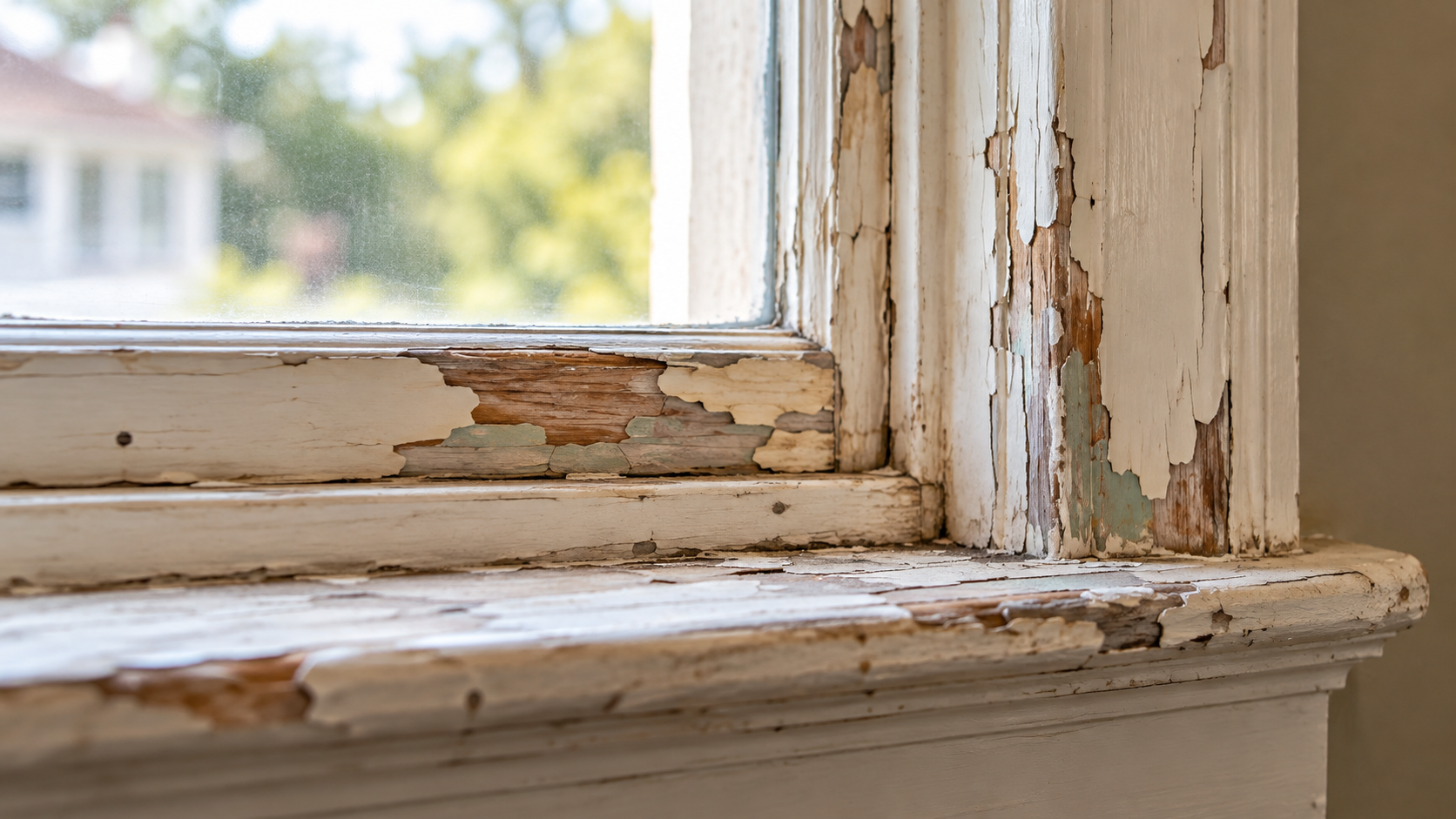
Intact, undisturbed paint is a different situation from paint that is peeling, rubbing or being sanded. Whether lead paint creates an exposure concern depends on its condition, location, friction, moisture, renovation and dust.

Where Older Lead Paint May Be Found

Windows, doors, trim, baseboards, stairs and railings, porches, walls, ceilings and exterior siding. Older paint can also remain beneath newer coats.
New paint does not necessarily mean new paint all the way down.

Friction, Dust & Soil

Older painted windows and doors deserve attention because moving parts rub together and can create dust. Lead-contaminated dust can settle on floors, sills and toys, and young children are especially vulnerable because hands and objects often go into their mouths. Weathered exterior paint can also contribute to lead in nearby soil, which only testing can measure.
The hazard may be dust you cannot easily see.

Renovation Changes the Situation

Sanding, scraping, cutting walls or replacing windows can turn a stable surface into a dust source. EPA recommends lead-safe practices for work on pre-1978 housing, and contractors performing covered renovation work generally must follow federal Renovation, Repair and Painting requirements.
Before you disturb it, understand what you’re working with.

Testing & What a Home Inspection Covers

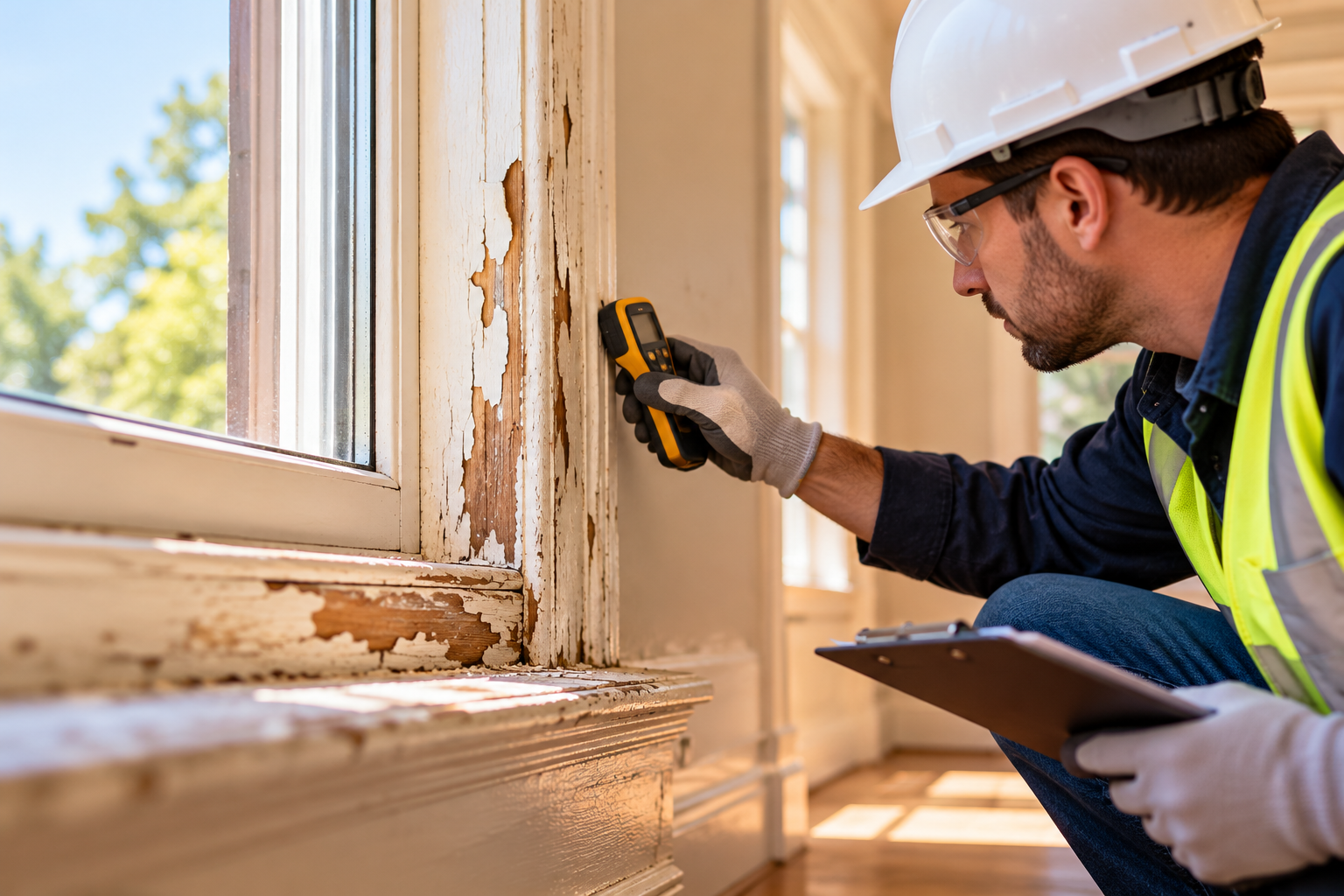
Appearance cannot determine whether paint contains lead. A lead-based paint inspection answers “Is lead paint present, and where?” A lead risk assessment answers “Are there lead hazards, and where are they?” Both are different from a standard home inspection, which notes visible conditions such as peeling paint and moisture damage.

“No Knowledge” Is Not the Same as “Tested Negative”

For most pre-1978 homes, buyers are generally entitled to receive known lead information and an opportunity for testing before being bound by a contract. A seller marking “no knowledge of lead-based paint” does not mean the home was tested. Requirements vary, so consult your real-estate professional about your transaction.

The Mountain Home Factor

Cabins and older mountain homes are often expanded over decades. A freshly updated home may still have older painted windows, trim, porches or outbuildings.

Can You Spot the Lead Paint?

Old white window. Green porch railing. New-looking trim. Peeling siding. Which one contains lead-based paint?
You cannot tell by looking. Age and condition provide context. Testing provides the answer.

Frequently Asked Questions

No. Pre-1978 construction increases the possibility, but the date alone does not confirm it.

Not necessarily. New paint may cover older layers.

Sanding lead paint creates contaminated dust. Use lead-safe practices unless lead has been ruled out.

No. It is one factor to understand alongside condition, renovation plans and management options.

Buying an Older Home?

Older houses can contain generations of materials and renovations. Smooth Home Inspections helps buyers understand the visible condition of the home’s major systems and recognize when specialized testing may be worth considering. Serving communities throughout Western North Carolina and Northeast Georgia.

© Copyright 2021 | Smooth Home Inspections, LLC | Website by Spectora