The History of Home Construction: 1900–Today

Every house tells the story of when it was built.

The framing hidden behind the walls, electrical wiring, plumbing pipes, foundation, roofing, insulation, heating system and even the lumber itself can provide clues about a home’s age and construction history.

For homebuyers, understanding those changes can help explain why a 1920s bungalow, a 1970s ranch and a modern mountain home may present very different inspection findings.

This guide from Smooth Home Inspections explores how residential construction evolved from the early 1900s through today.

Special attention should be given to homes found throughout Western North Carolina and Northeast Georgia, where steep terrain, mountain weather, crawlspaces, log construction, decks, additions and decades of remodeling can make a home’s construction history particularly interesting.


Hazardous & Legacy Building Materials

Lead-Based Paint

Lead-based paint was historically used in residential construction, and its use in consumer residential paint was banned in the United States in 1978. Homes built before 1978 are more likely to contain lead-based paint, but not every pre-1978 home contains it, and not every painted surface in an older home contains lead. Paint may have been repainted, stripped or replaced many times. Testing is necessary when positive identification is required.

Asbestos-Containing Materials

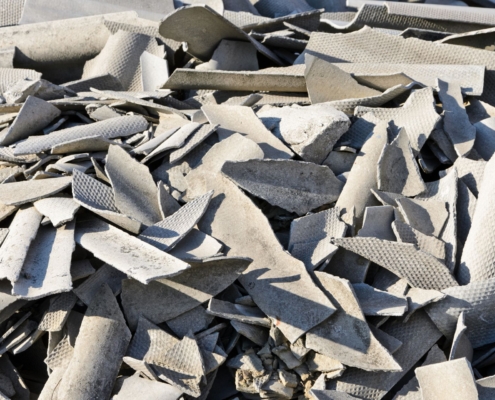
Asbestos was historically incorporated into numerous building products. Possible historical applications can include certain insulation products, floor tiles, siding, roofing products, pipe insulation, textured materials and other manufactured building materials. A material cannot be identified as asbestos-containing based solely on its appearance or age. Laboratory testing may be necessary when positive identification is needed.

Why Mountain Homes Deserve Special Attention

Homes in Western North Carolina and Northeast Georgia often face conditions that are different from houses built on flatter terrain.

Mountain construction may involve steep lots, retaining walls, elevated decks, crawlspaces, drainage systems, private wells, septic systems, long driveways, wooded sites and significant exposure to rainfall and moisture.

Older mountain homes may also have been expanded or remodeled multiple times. An inspector may encounter construction methods and materials from several different decades in the same house.

For example, a house originally built in the 1940s might contain a 1970s addition, a 1990s electrical upgrade and modern PEX plumbing.

Understanding the history of residential construction can therefore help put inspection findings into context.

Home Inspections in Western North Carolina & Northeast Georgia

Smooth Home Inspections helps buyers, homeowners and real estate professionals better understand the homes they are purchasing and maintaining.

We inspect homes throughout our service area in Western North Carolina and Northeast Georgia, including mountain communities where construction may range from historic homes and cabins to log homes and modern custom construction.

Communities we serve:

  • Murphy, NC

  • Hayesville, NC

  • Andrews, NC

  • Warne, NC

  • Franklin, NC

  • Blairsville, GA

  • Hiawassee, GA

  • Young Harris, GA

Frequently Asked Questions

Older homes may contain original construction alongside decades of repairs and upgrades. An inspection can help identify the visible condition of major structural, electrical, plumbing, roofing and HVAC components.

No. Age alone does not determine the condition or safety of an electrical system. The wiring type, installation, modifications and present condition all matter.

No. Lead-based residential paint was historically used, but the age of a house alone cannot establish whether lead-based paint is present. Testing is needed when confirmation is required.

Suspect materials may sometimes be noted based on their characteristics and historical use, but appearance alone cannot confirm asbestos content. Laboratory testing is generally required for positive identification.

They can be. Steep terrain, drainage, elevated decks, crawlspaces, retaining walls, moisture exposure, private utilities and additions can create considerations that are especially important in mountain properties.

Absolutely. Remodeling and additions often result in multiple generations of plumbing, electrical, framing and other building materials being present in the same home.

Buying an Older or Mountain Home?

The age of a house can tell us a lot, but decades of repairs, additions and renovations often tell an even bigger story.

Smooth Home Inspections provides detailed residential inspections designed to help buyers understand the home’s major systems, components and visible conditions.

© Copyright 2021 | Smooth Home Inspections, LLC | Website by Spectora